How Long Food Lasts in the Fridge and Freezer
The chicken from Tuesday is still fine on Friday. On Saturday it is not. Here are the fridge and freezer times for everything in your kitchen, so you never have to guess again.
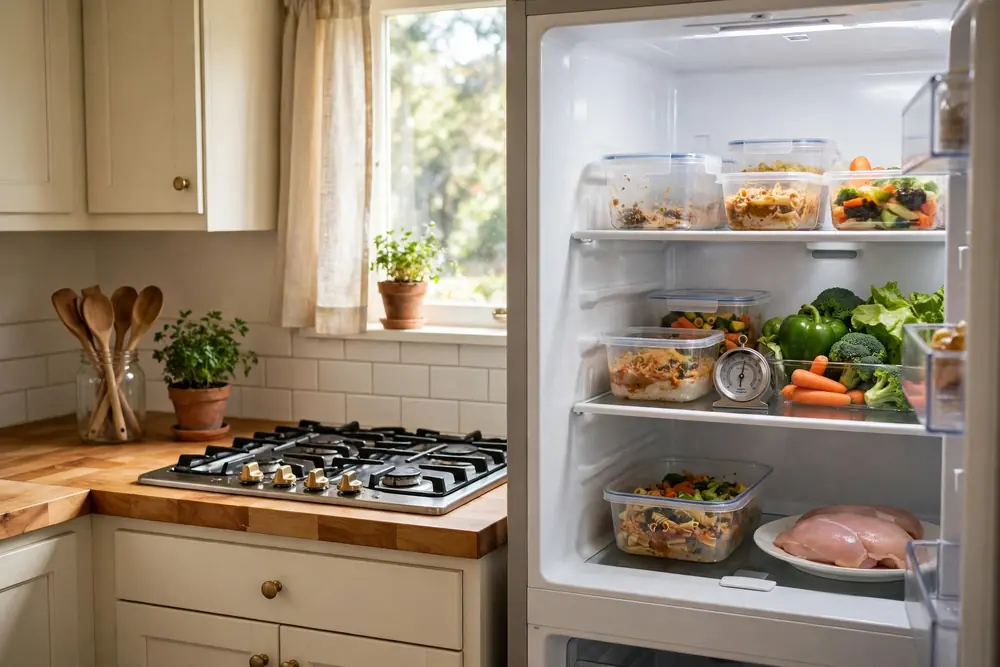
You are standing in front of the fridge with the door open, holding a container of chicken from Tuesday. It is Friday now. The chicken smells fine. It looks fine. But you are not sure, and the children will be eating it too, so "probably fine" is not good enough.
I have stood in that exact spot more times than I can count. I cook every day for a family of four, and the fridge is where my good intentions go to be tested. The roast from Sunday, the rice from Wednesday, the yogurt I bought last week. Every container is a small question with a real answer, and the answer is a number of days, not a feeling.
This page is the numbers. Every time below is the time the food keeps in a fridge at or below 40°F, or in a freezer at 0°F. Those two temperatures are the whole game. If your fridge runs warmer, every number here gets shorter.
The short answer
Cooked food keeps three to four days in the fridge. That is the one number to remember. Cooked chicken, soup, stew, pizza, rice, casseroles: three to four days, then eat it, freeze it, or throw it out.
Raw food is shorter. Raw chicken and raw ground meat keep one to two days. Whole cuts of beef, pork, and lamb keep three to five days. Fresh fish keeps one to three days.
The freezer is the pause button. Food kept frozen at 0°F stays safe indefinitely. It does not go bad in the freezer. What runs out is quality. The freezer times in the tables below are about taste and texture, not safety. A steak frozen for fourteen months will not make you sick. It will just be drier and less good than a steak frozen for four.
So the rule for the whole kitchen is simple: three to four days for cooked food, one to two days for raw chicken and ground meat, and the freezer whenever you are not sure you will eat it in time.
Cooked meat and leftovers
This is the table you will come back to most. Nearly everything cooked lands on the same fridge time, which is what makes it easy to remember. The freezer times are where foods separate.
| Food | Fridge | Freezer |
|---|---|---|
| Cooked meat or poultry | 3 to 4 days | 2 to 6 months |
| Rotisserie or fried chicken | 3 to 4 days | 4 months |
| Soups and stews | 3 to 4 days | 2 to 3 months |
| Casseroles with egg, baked | 3 to 4 days | 2 to 3 months |
| Pizza | 3 to 4 days | 1 to 2 months |
| Chicken nuggets or patties | 3 to 4 days | 1 to 3 months |
| Cooked rice and grains | 3 to 4 days | 1 to 2 months |
| Egg, chicken, tuna or macaroni salad | 3 to 4 days | Does not freeze well |
Two things worth knowing about this table. First, the clock starts when the food is cooked, not when you finally get around to putting it away. Food that sat on the counter for three hours before it went into the fridge does not get three to four days. Get leftovers into the fridge within two hours of cooking. On a hot day, above 90°F, that window shrinks to one hour.
Second, freezing does not rewind the clock. If the chicken is on day four and you freeze it, it is still day-four chicken when you thaw it. Freeze leftovers early, on day one or two, and they come back tasting like they should. Freeze them on the last day and you are storing a problem, not solving one.
Reheat leftovers all the way through to 165°F. That is the temperature that takes care of the bacteria that grew while the food sat in the fridge. A microwave can leave cold spots, so stir halfway through and let the food sit a minute before you eat it.
Raw meat and fish
Raw meat is where the shortest times live, and raw chicken is the shortest of all. If you buy chicken on Monday and do not cook it by Wednesday, it belongs in the freezer.
| Food | Fridge | Freezer |
|---|---|---|
| Ground beef, turkey, pork or lamb | 1 to 2 days | 3 to 4 months |
| Steaks, chops and roasts | 3 to 5 days | 4 to 12 months |
| Whole chicken or turkey | 1 to 2 days | 1 year |
| Chicken or turkey pieces | 1 to 2 days | 9 months |
| Raw sausage | 1 to 2 days | 1 to 2 months |
| Bacon | 1 week | 1 month |
| Fatty fish (salmon, tuna, mackerel) | 1 to 2 days | 2 to 3 months |
| Lean fish (cod, haddock, halibut) | 1 to 2 days | 6 to 8 months |
| Shrimp | 3 to 5 days | 6 to 18 months |
| Fresh crab or lobster meat | 2 to 4 days | 2 to 4 months |
Ground meat goes first because grinding spreads the bacteria through the whole piece instead of leaving them on the surface. That is also why a whole steak keeps longer than a burger patty made from the same beef. The outside of a steak gets seared. The inside of a burger never saw the light of day until it was ground.
Fish is the other one people get wrong. Fatty fish, the oily ones like salmon and mackerel, go off in the freezer faster than lean fish, because the fat turns rancid even when frozen. Two to three months for salmon, six to eight for cod. In the fridge they are the same: cook fresh fish within a day or two of buying it, or freeze it the day you bring it home.
Deli meat, hot dogs and ham
The sliced meat drawer has its own rules, and the difference between opened and unopened matters more here than anywhere else in the fridge.
| Food | Fridge | Freezer |
|---|---|---|
| Lunch meat, unopened | 2 weeks | 1 to 2 months |
| Lunch meat, opened or deli sliced | 3 to 5 days | 1 to 2 months |
| Hot dogs, unopened | 2 weeks | 1 to 2 months |
| Hot dogs, opened | 1 week | 1 to 2 months |
| Cooked ham, whole | 1 week | 1 to 2 months |
| Cooked ham, sliced | 3 to 5 days | 1 to 2 months |
An unopened pack of lunch meat keeps two weeks because it was sealed in a factory. The moment you open it, the clock drops to three to five days. Deli sliced meat from the counter starts at three to five days too, because it was never sealed. If your children eat sandwiches all week, buy the smaller pack twice rather than the big pack once.
Dairy and eggs
Dairy is the category where the package date actually matters. Milk and sour cream keep until the date on the carton. Most other dairy has a time counted from the day you buy it or open it.
| Food | Fridge | Freezer |
|---|---|---|
| Milk | Until the package date | 3 months |
| Butter | 1 to 2 months | 6 to 9 months |
| Hard cheese, unopened | 6 months | 6 months |
| Hard cheese, opened | 3 to 4 weeks | 6 months |
| Shredded cheese | 1 month | 3 to 4 months |
| Soft cheese (brie, goat) | 1 to 2 weeks | 6 months |
| Cream cheese | 2 weeks | Not recommended |
| Cottage cheese | 2 weeks, 1 week once opened | Not recommended |
| Yogurt | 1 to 2 weeks | 1 to 2 months |
| Sour cream | Until the package date | Not recommended |
| Heavy cream | 10 days | 3 to 4 months |
| Half and half | 3 to 4 days | 4 months |
Hard cheese is forgiving. A block of cheddar keeps six months unopened, and three to four weeks once you cut into it. If mold grows on hard cheese, you can cut it off, a good inch around and below the spot, and the rest is fine. Soft cheese is different. Mould on brie or cottage cheese means the whole thing goes, because the mold spreads through soft food in ways you cannot see.
Cream cheese, cottage cheese and sour cream do not freeze well. They come back grainy and separated. You can still cook with them after freezing, in a sauce or a baked dish where the texture does not matter, but do not expect them to spread on a bagel afterwards.
Eggs last far longer than most people think.
| Food | Fridge | Freezer |
|---|---|---|
| Raw eggs in the shell | 3 to 5 weeks | Do not freeze in the shell |
| Raw egg whites or yolks | 2 to 4 days | 12 months |
| Hard-cooked eggs | 1 week | Do not freeze |
Three to five weeks for a carton of eggs in the fridge. Keep them in the carton, not loose in the door, because the door is the warmest part of the fridge and the carton keeps them from picking up smells. Never freeze eggs in the shell. The shell cracks, and a cracked frozen egg goes straight in the trash. To freeze eggs, beat the yolks and whites together first, then freeze them in a container. Out of the shell, they keep a year.
Produce
Fruit and vegetables are the most forgiving food in the kitchen and also the easiest to forget. The times below count from the day you buy them.
| Food | Fridge | Freezer |
|---|---|---|
| Apples | 4 to 6 weeks | 8 months, cooked |
| Berries (strawberries, raspberries) | 2 to 3 days | 8 to 12 months |
| Blueberries | 1 to 2 weeks | 8 to 12 months |
| Grapes | 1 week | Eat fresh |
| Citrus (lemons, limes, oranges) | 10 to 21 days | Eat fresh |
| Avocados, once ripe | 3 to 4 days | Eat fresh |
| Bananas, once ripe | 3 days | 2 to 3 months |
| Leaf lettuce and spinach | 3 to 7 days | Eat fresh |
| Lettuce, iceberg or romaine | 1 to 2 weeks | Eat fresh |
| Broccoli and cauliflower | 3 to 5 days | 10 to 12 months, blanched |
| Carrots | 2 to 3 weeks | Blanch, then freeze |
| Cucumbers | 4 to 6 days | Eat fresh |
| Peppers | 4 to 14 days | 6 to 8 months |
| Mushrooms | 3 to 7 days | Eat fresh |
Berries are the shortest clock in the whole produce drawer. Strawberries and raspberries keep two to three days, and one moldy berry will take the rest of the basket with it. Check the basket when you bring it home, pick out any soft or moldy ones, and the rest lasts longer.
Three things do not belong in the fridge at all. Tomatoes keep their flavor on the counter, and the fridge makes them mealy. Potatoes keep one to two months in a cool dark pantry, and the fridge turns their starch to sugar, which makes them darken and taste sweet when you cook them. Onions keep about a month in the pantry, and they make everything around them smell like onion if you put them in the fridge.
Vegetables freeze well, but most of them need blanching first, a quick dip in boiling water and then into ice water. Raw vegetables frozen straight from the drawer go soft and dull. Blanched broccoli and carrots keep ten to twelve months. Berries are the exception. They freeze beautifully raw, spread on a tray first so they do not clump, then into a bag.
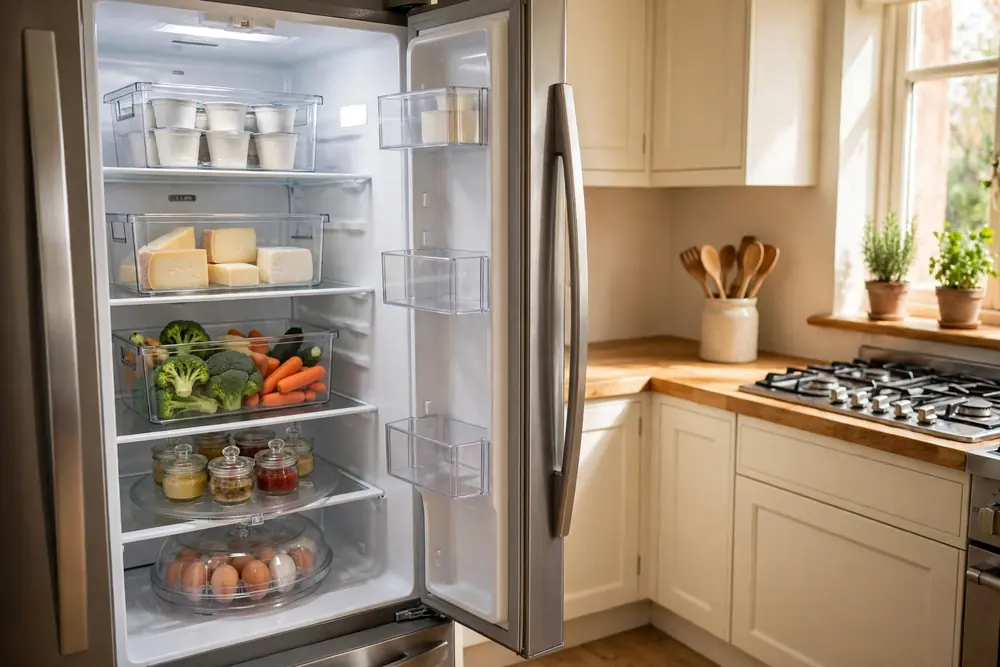
If you cannot see what is in your fridge, food gets forgotten at the back and found two weeks later. A few fridge organizers, clear bins and a turntable for the deep shelf, make the short-clock foods visible, and visible food gets eaten.
Bread and baked goods
Bread is the one food where the fridge is the wrong answer. The fridge does keep bread safe longer, two to three weeks for a store-bought loaf, but it dries the bread out and makes it go stale faster than the counter does. Bread on the counter keeps fourteen to eighteen days. Bread in the freezer keeps three to five months and comes back tasting like bread. So the choice is the counter or the freezer, never the fridge.
| Food | Counter or pantry | Freezer |
|---|---|---|
| Store-bought bread | 14 to 18 days | 3 to 5 months |
| Homemade bread | 3 to 5 days | Not listed |
| Muffins | 3 to 7 days | 2 to 3 months |
| Cookies, soft | 2 to 3 months | 8 to 12 months |
| Cookies, crispy | 4 to 6 months | 8 to 12 months |
| Pancakes and waffles, frozen | — | 2 months |
Homemade bread has no preservatives, so it keeps three to five days on the counter. Slice it before you freeze it. Frozen slices go straight into the toaster, and you never have to thaw a whole loaf for two slices of toast.
Frozen staples
The freezer has no safety clock, only a quality clock. Everything below is about when the food stops tasting its best, not when it stops being safe. A chest freezer at 0°F keeps food safe for as long as it stays frozen.
| Food | Freezer, best quality |
|---|---|
| Frozen fruit, berries | 8 to 12 months |
| Vegetables, blanched and frozen at home | 10 to 12 months |
| Frozen vegetables from the store | 8 months |
| Butter | 6 to 9 months |
| Bread, rolls and bagels | 3 to 5 months |
| Frozen meals and TV dinners | 3 to 4 months |
| Ice cream | 2 to 4 months |
| Soups and stews | 2 to 3 months |
| Cooked rice and grains | 1 to 2 months |
Ice cream surprises people. It is already frozen, so it feels like it should last forever, but it picks up flavors from everything around it, and it goes icy and stale in two to four months. Keep the lid tight and keep it at the back of the freezer, away from the door, where the temperature stays steadiest.
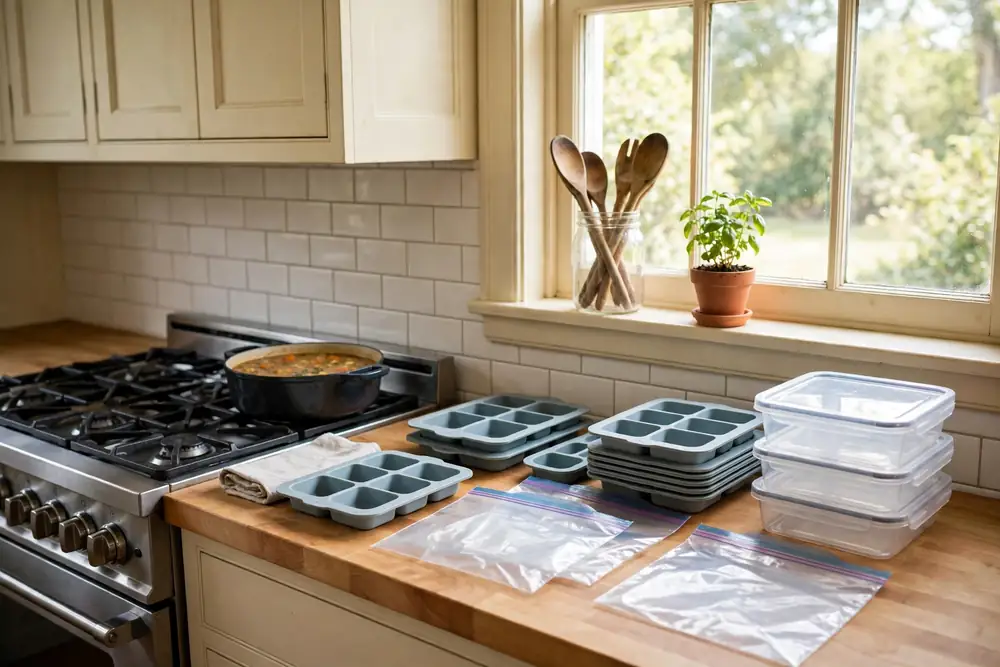
The container matters as much as the date. Air is what ruins frozen food. It dries the surface out and leaves those gray-white patches called freezer burn. Good freezer storage containers, or bags with the air pressed out, are the difference between food that comes back good and food that comes back tired.

Best reusable freezer bags
Stasher Silicone Reusable Food Storage Bags, 4-Pack
Silicone bags that lay flat in the freezer, seal tight enough to keep air out, and go straight from frozen into hot water or the microwave.
Flat freezing is the trick that makes a freezer work. Lay a bag of soup flat until it freezes solid, then stand it up like a file. You can fit twice as much in the same drawer, and a flat bag thaws in half the time of a solid block.
How to tell food has gone off
Your senses are useful, but they are not the whole story. Smell, look and feel catch spoiled food. They do not always catch unsafe food, and that distinction matters.
Smell is the test most people reach for first. Sour milk smells sour. Bad meat smells off in a way you recognize at once. Slimy lunch meat feels wrong the moment you touch it. Mould you can see. All of those are reasons to throw food out, whatever the chart says. A chart is an outer limit, not a promise. If something looks or smells wrong before its time is up, trust your senses and trash it.
But the reverse is not true. Food can be unsafe without smelling or looking any different. The bacteria that make food smell bad and the bacteria that make people sick are not the same ones. Some of the bacteria that cause food poisoning grow without changing the smell, the colour or the taste at all. That is why the chart matters more than the sniff test once the days have passed. The chicken from Tuesday might smell fine on Saturday. It is still past its time.
There is one more thing the fridge does not stop. Most bacteria slow down in the cold, but a few keep growing at fridge temperature. Listeria is the one to know about. It grows slowly in the cold, which is why the times for deli meat and soft cheese are short, and why those foods deserve extra care if anyone in the house is pregnant, very young, very old, or has a weak immune system.
The rule that covers all of it: when in doubt, throw it out. A container of leftovers is not worth a sick child.
Three rules that stretch every time
The times in the tables are the outer limits. How you store the food decides whether it reaches them. Three habits make the biggest difference, and they cost nothing.
Cool it fast. Hot food goes into shallow containers so it cools quickly, and into the fridge within two hours of cooking. A deep pot of soup cools slowly in the middle, and the middle sits in the danger zone, between 40°F and 140°F, where bacteria double in as little as twenty minutes. Spread the soup across two shallow containers and it cools in a fraction of the time. You do not have to wait for food to reach room temperature before it goes in the fridge. That is an old habit from the days of iceboxes. A hot container warms the shelf a little, but the food cools faster, and that is the safer trade.
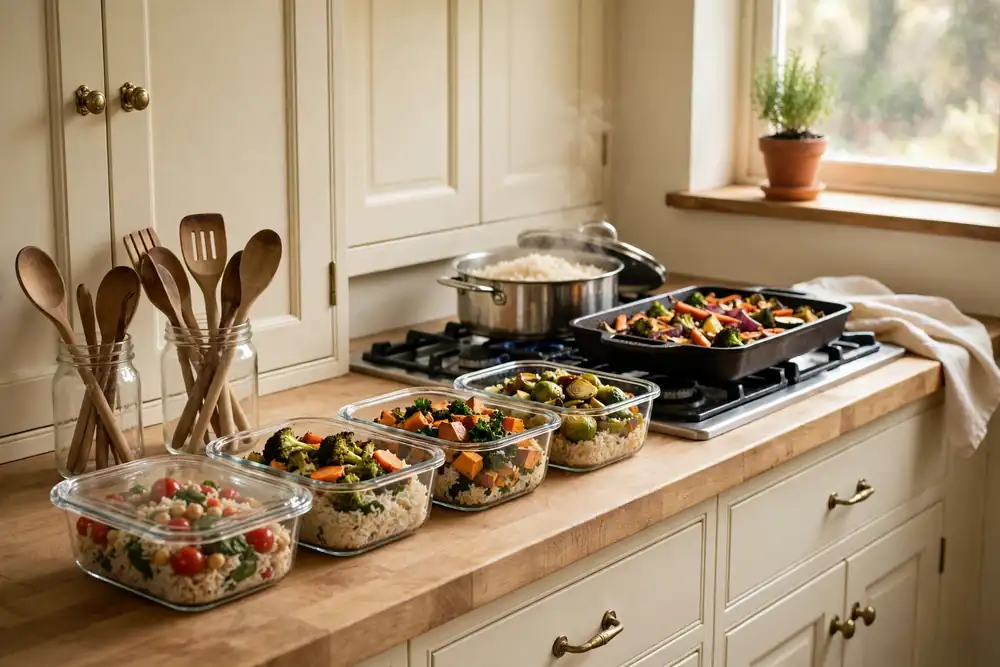
Seal it tight. Air dries food out and carries smells from one container to another. A lid that actually seals, pressed flat against the container with no gap, keeps leftovers tasting like themselves for the full three to four days. Loose plastic wrap over a bowl does not. I use glass containers with latching lids for leftovers, because I can see what is inside without opening them, and the seal holds.

Best for leftovers
Glasslock Ring Taper 24-Piece Set
Tempered glass with four-latch lids that seal tight enough to hold soup sideways, and the glass goes from the fridge into a 450°F oven with the lid off.
Label it with the date. A strip of tape and a marker, or a label on the lid, with the day you cooked it or froze it. Without a date, every container is a guess. With a date, the tables on this page do the thinking for you. Write the "eat by" day, not just the day you made it, so nobody has to do the sums. Chicken cooked Tuesday gets a label that says "eat by Friday".
Those three rules are the short version of a longer set of habits. If you want the full picture, where everything goes in the fridge and why, I wrote it up as a guide to store food so it lasts longer.
Questions people ask
Can you eat leftovers after five days?
No. Three to four days is the limit for cooked food in the fridge. On day five the food goes in the trash, even if it smells fine. If you know you will not eat leftovers within four days, freeze them on day one or two instead.
Is food still safe after the freezer time on the chart?
Yes, if it stayed frozen at 0°F the whole time. Freezer times are about quality, not safety. Food past its freezer time is drier and less flavorful, but it will not make you sick. Use it in a soup or a stew, where the texture matters less.
Can you freeze food on the last day of its fridge time?
You can, but it is better to freeze it sooner. Freezing pauses the clock, it does not rewind it. Food frozen on day four comes back as day-four food. Freeze leftovers on the day you cook them when you can.
How long does food last in a power cut?
With the door closed, the fridge keeps food safe for about four hours. A full freezer holds its temperature for about forty-eight hours, and a half-full freezer for about twenty-four. After that, throw out meat, poultry, fish, eggs and leftovers. Never taste food to check it after a power cut.
Does the date on the package mean the food is bad after that day?
Usually not. Most dates on food, "best if used by" and "sell by", are about quality, not safety. The maker is telling you when the food tastes its best. The one date that is a safety date is on infant formula. For everything else, use the chart times on this page, counted from when you bought, opened or cooked the food.
Can you refreeze food that has thawed?
If it still has ice crystals in it, or it stayed at 40°F or below the whole time, yes. The texture will be worse the second time around, so refrozen food is best used in cooked dishes. Food that thawed on the counter, or sat out for more than two hours, goes in the trash.
The bottom line
Three numbers cover most of your kitchen. One to two days for raw chicken and ground meat. Three to four days for anything cooked. Three to five weeks for eggs in the shell.
Everything else on this page is detail around those three numbers, and the detail is here whenever you need it. Bookmark the page. Label the containers. And when you are standing in front of the fridge holding Tuesday's chicken on a Friday, you will know: Friday is fine, Saturday is not.